IN THIS ISSUE (16) - 21 September 2026
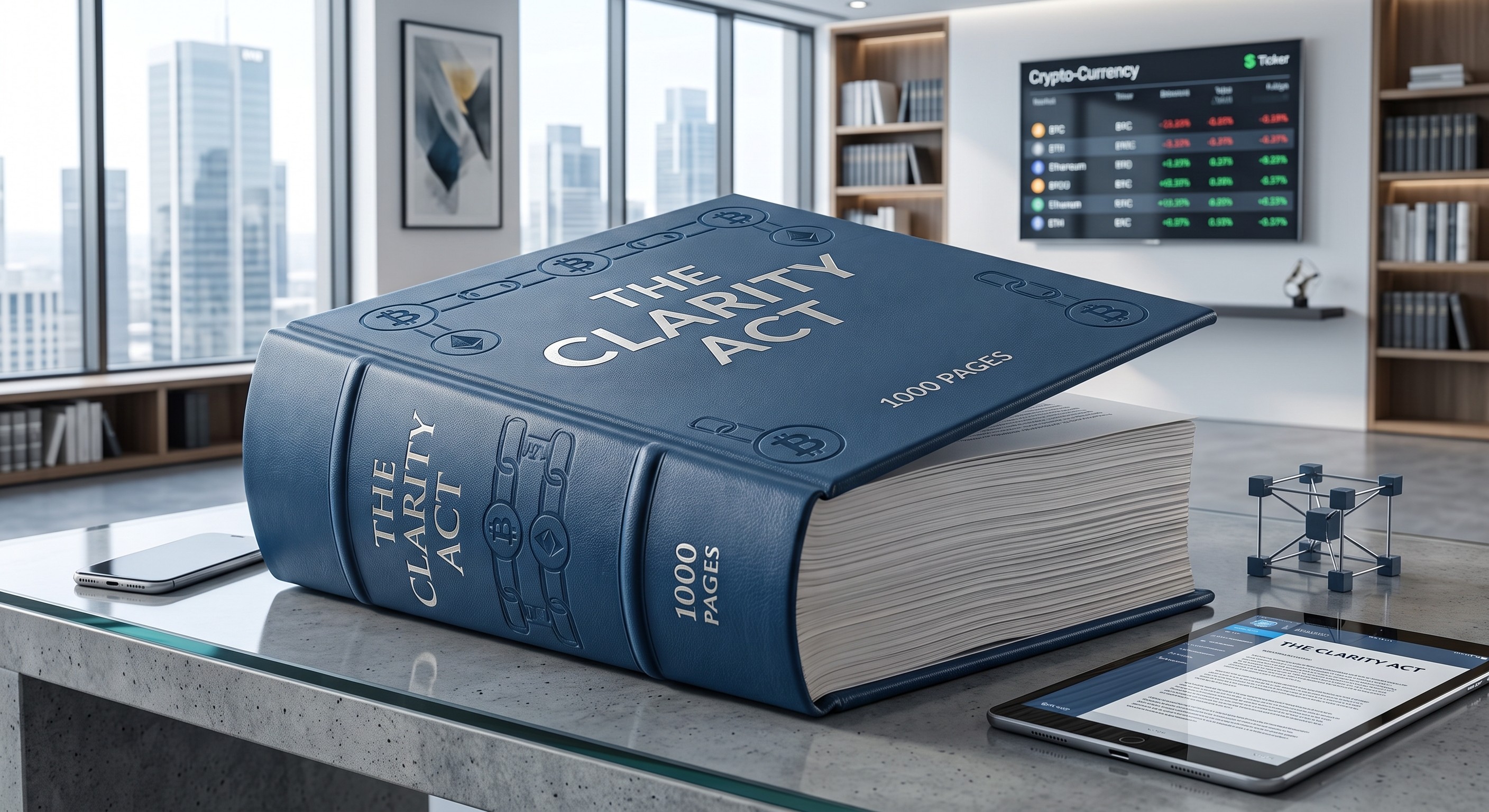
🚪 The CLARITY Act was never the only door
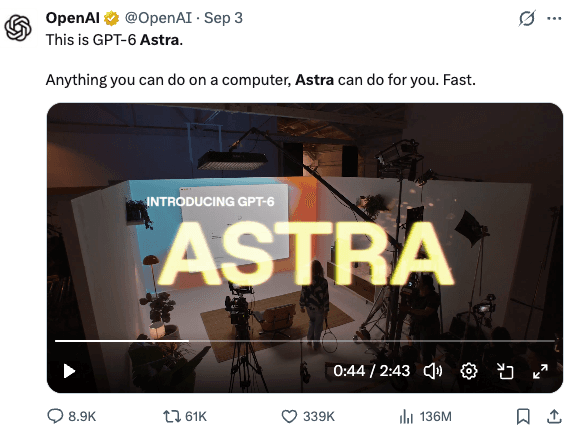
🤖 OpenAI’s Astra is sure going to lift the IPO price
🛢️ Oil is still on the rise
THE WEEK IN MARKETS
The Fed finally did the thing it spent three years hinting at. On Wednesday it raised rates a quarter point to 3.75-4%, its first hike since 2023, and a unanimous one, which is worth noting given the chair is a President Trump pick hired on the promise of cuts. Kevin Warsh said the committee had removed a dose of accommodation, pencilled in another hike for December, and, asked how the president would take it, replied that he is not a Wall Street newsletter. Markets took the point. The Dow had its worst day in a month and the 10-year yield pushed to 5%, its highest since 2007.
The hike is aimed at an inflation problem the Fed cannot really reach. Prices have been climbing on the Iran war and the oil it keeps offline, with Brent still near $104 even after easing on the week. Gold, which spent the summer setting records, slipped about 1% to around $4,360 as rising real yields did what geopolitics could not. Equities fell across the board, the S&P 500 and Nasdaq each off roughly 1%.
Crypto had its own week to forget, and mostly obliged. The CLARITY Act died in the Senate (more on why it’s not the only option in The Big Read). Bitcoin dipped on the news, shrugged, and finished almost exactly where it began, near $76,400 and about 60% of the market. Ether held flat around $2,445, still a long way from August's brief cameo as the strong one. Two of the biggest catalysts on the board, a rulebook and a rate decision, and the tape barely moved.
🔥 WHAT'S UP: US 10-year Treasury yield | 5.01%, highest since 2007 | 1 week
💧 WHAT'S DOWN: Axon | -8% | 1 day
Data correct as at 17 September 2026.
ALPHA CHECK
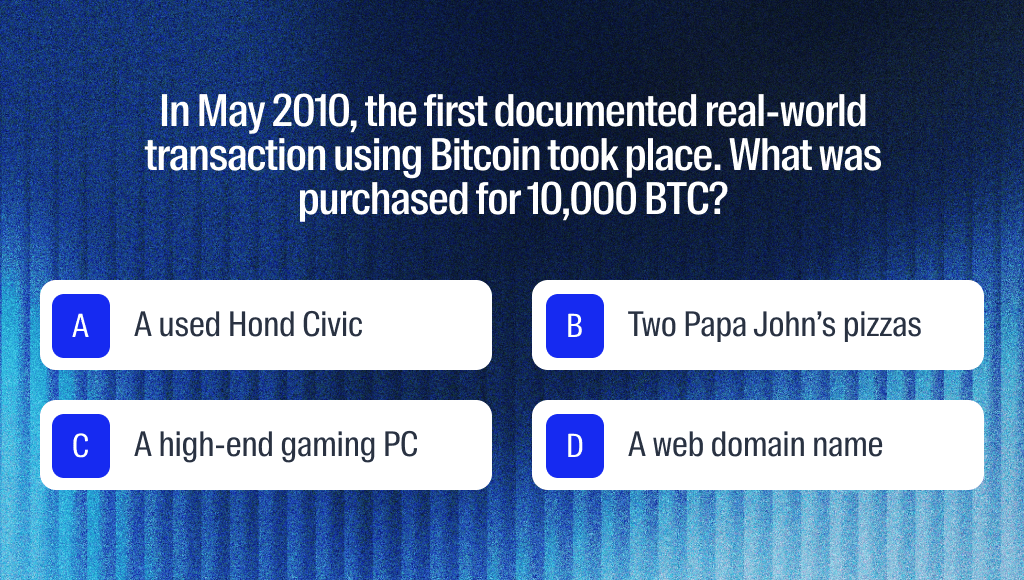
Got your answer? Read on to see if you nailed it.
THE BIG READ
The rulebook nobody passed
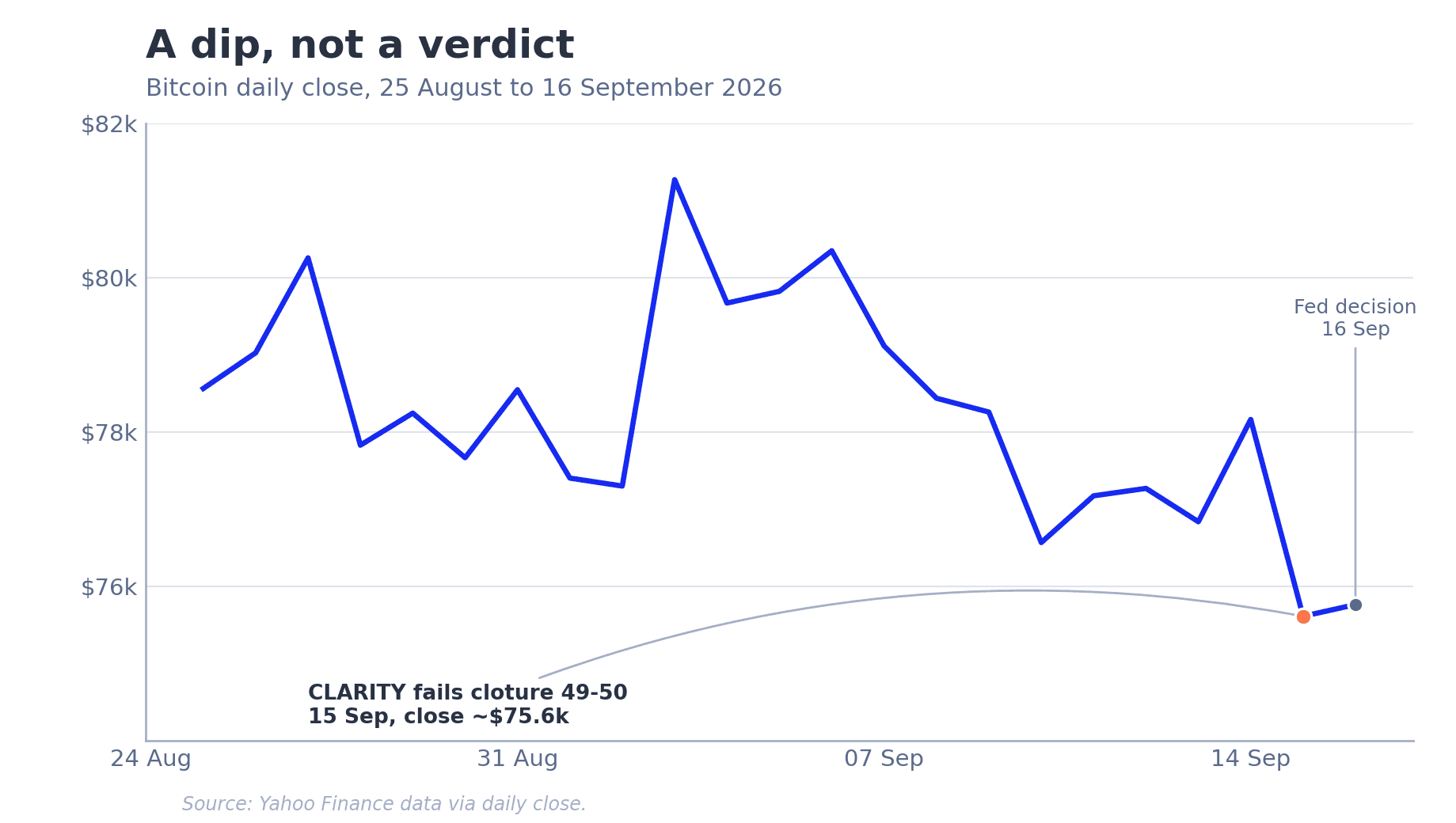
On Tuesday (15 September 2026) the Senate declined to advance the CLARITY Act, falling short 49 to 50 on a cloture vote that needed 60. A bill the industry had treated as a formality for most of the year is, for 2026 at least, finished.
Bitcoin dipped slightly and then got on with its day, holding near $75,000. That shrug is the actual story. A market that rallied through August on the promise of a federal framework watched it stall and barely changed its mind, because the bill was never the thing doing the work.
Past performance does not guarantee future results. No interest is earned on holdings.
The bill was never the only door
CLARITY would have split SEC and CFTC jurisdiction into statute, the permanence only Congress can grant. What it would not have done is start the clock. The clarity issuers actually asked for, whether a token is a security and what it must disclose, needs a regulator willing to write rules, not a new law.
The SEC already started writing
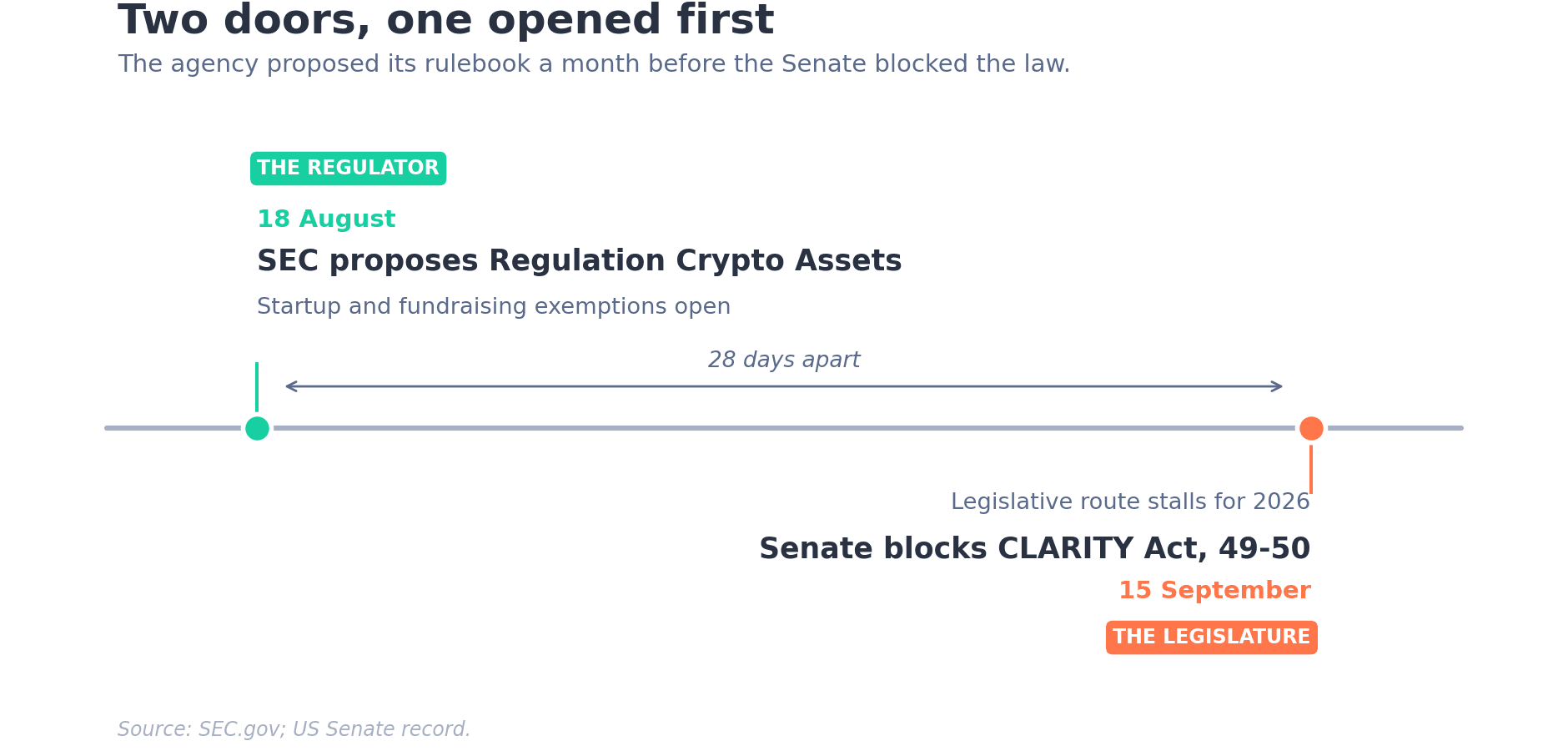
In August the Commission proposed Regulation Crypto Assets, exemptions built for token offerings rather than bent out of 1930s rules:
Startup exemption: raises up to $5 million over four years.
Fundraising exemption: offerings up to $75 million a year.
Investment-contract safe harbor: a sufficiently decentralised asset stops being treated as a security.
Atkins has spent a year calling the old approach regulation by enforcement and a square peg in a round hole. None of it is law yet, and a future Commission could soften it. But rulemaking does not need 60 votes to survive a Tuesday.
Why the market shrugged
The direction of travel stopped depending on the vote some time ago. The SEC got there first, in August, a month before the Senate got around to saying no. The defeat removes a ceremony, not the trajectory.
The road did not end this week. One of the two people building it paused. The other kept going. Whichever way the rulebook gets written, the access already exists. You can buy and sell Bitcoin on Luno in your local currency, while Washington argues about the paperwork.
QUICK TAKES
🤖 Trump does Nvidia's investor relations
President Trump phoned Jensen Huang live onstage at the All-In Summit, got put on speaker, and told the crowd that AI-safety fears are a hoax and data centres are "the oil of the next 20, 25 years". Huang, whose company is the most valuable on earth because everyone keeps buying his chips, was not going to argue. When your trade gets hyped up for free, the only risk left might be that the market has already heard it. Read more
🏦 Deutsche Bank finally opens the vault
Germany's largest bank said it will offer regulated custody of Bitcoin, Ether and a few stablecoins to institutional clients by year-end, pending the regulators. A bank founded in 1870 is now building storage for the asset that was meant to make banks redundant, and it announced this on the same day the US Senate killed its crypto rulebook. Europe, it turns out, is not waiting for permission it can grant itself. Read more
💾 The AI winner nobody is talking about
While the market argues about chatbots and IPOs, the quiet fortune is being made one layer down, in memory. Prices for the chips that feed AI accelerators have climbed as much as 355% this year, and the shortage is not expected to clear until 2028. The high-bandwidth memory market alone is set to roughly triple to $100 billion by then. The models get the headlines. The memory gets the margin. Read more
ALPHA CHECK - REVEALED
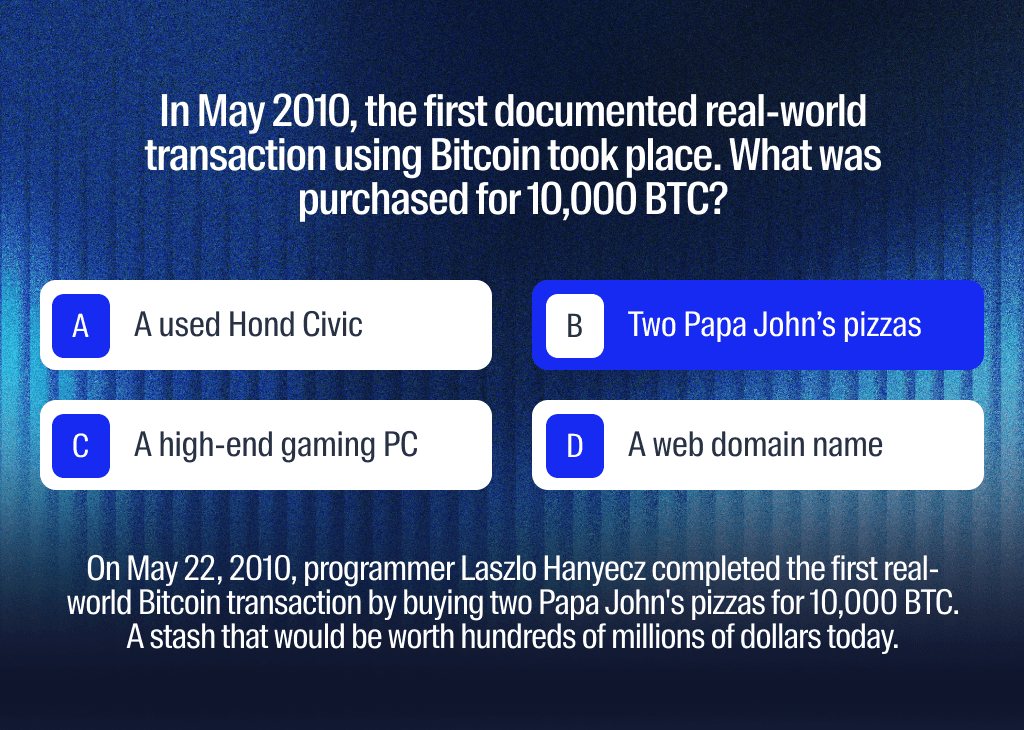
PROBABLY SOMETHING
OpenAI's pitch for GPT-6 Astra is that it can do anything you do on a computer, only faster, and it saturates the benchmarks to prove it. Read another way, it is a valuation case. OpenAI filed to list back in June and wants the public market to pay up to $1 trillion, against a private mark still stuck at $852 billion. Nothing argues for that premium like a model that makes the next one look inevitable. The scores are maxed out. Watch here