You would not expect a solar panel and a silver coin to have much in common, but they do. Every panel carries a thin layer of silver paste that conducts electricity across its cells, and as solar installations grow around the world, so does the demand for that silver. It is reshaping the silver price, and pulling copper along with it. If you have watched the silver price climb, or wondered why copper keeps coming up in the same conversation, the energy transition is the reason.
Why solar panels run on silver
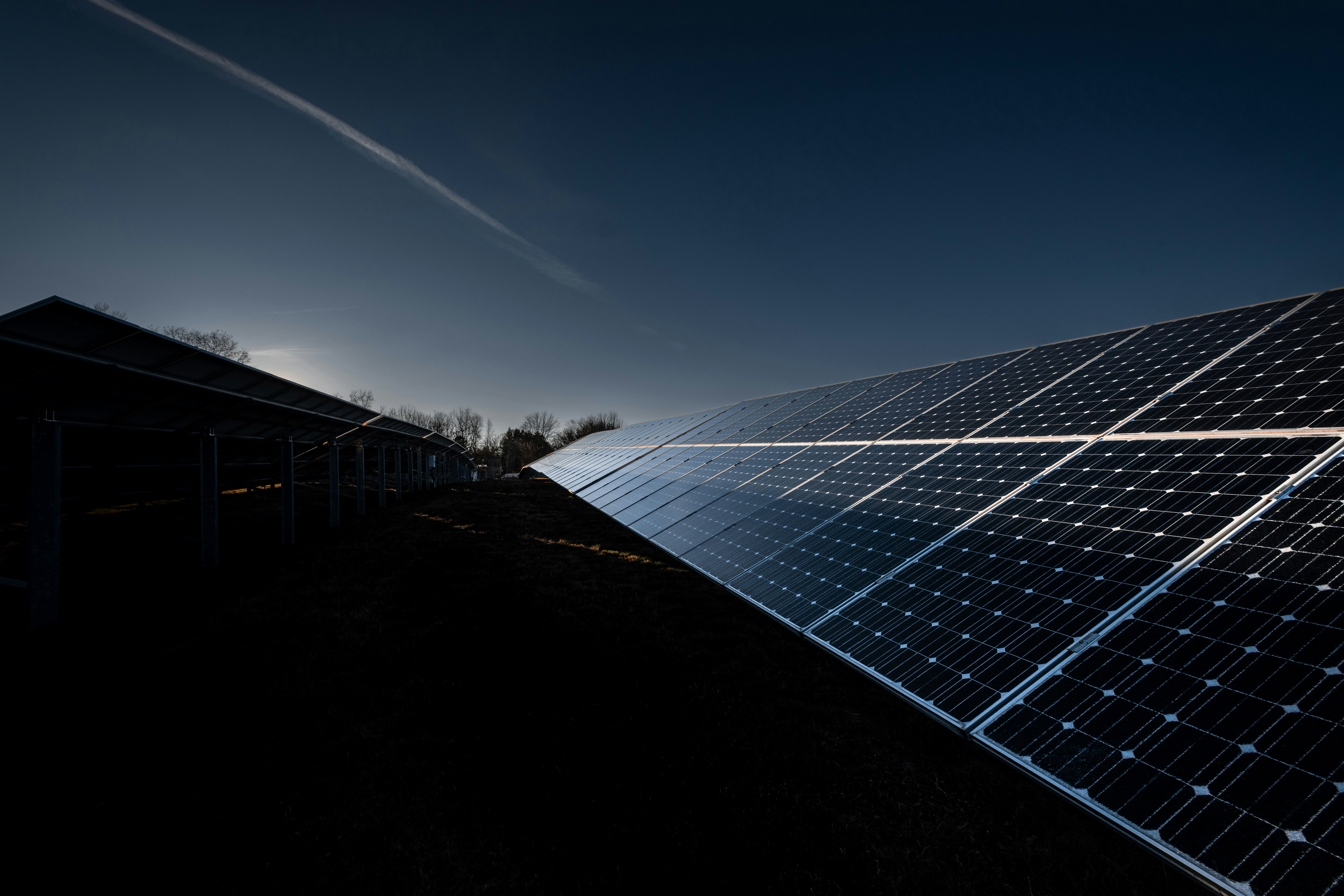
Solar cells rely on silver paste to conduct electricity from the panel to the grid. Manufacturers have worked for years to shrink the amount used per cell, a process the industry calls thrifting, but installations have grown faster than those savings can keep up with. One in five ounces of silver mined today ends up on a solar panel, and that share keeps climbing as more countries build out solar capacity.
This matters because silver serves two markets at once. It is bought as an investment and consumed as an industrial input, and when both sides pull on demand together, the silver price moves.
What it means for the silver price
The silver market has run at a supply deficit for several years, meaning the world is using more silver than mines and recycling can replace. Solar demand is one of the clearest reasons why. When you check the silver spot price today, you are looking at a metal being consumed by phones, solar panels, electric vehicles and batteries, while investors also buy it as a store of value alongside gold.
For anyone building a silver investment case, this dual identity matters. Silver is often compared to gold, but its industrial demand gives it a different set of drivers, and the solar boom is one of the strongest right now.
Copper's role in the same trend
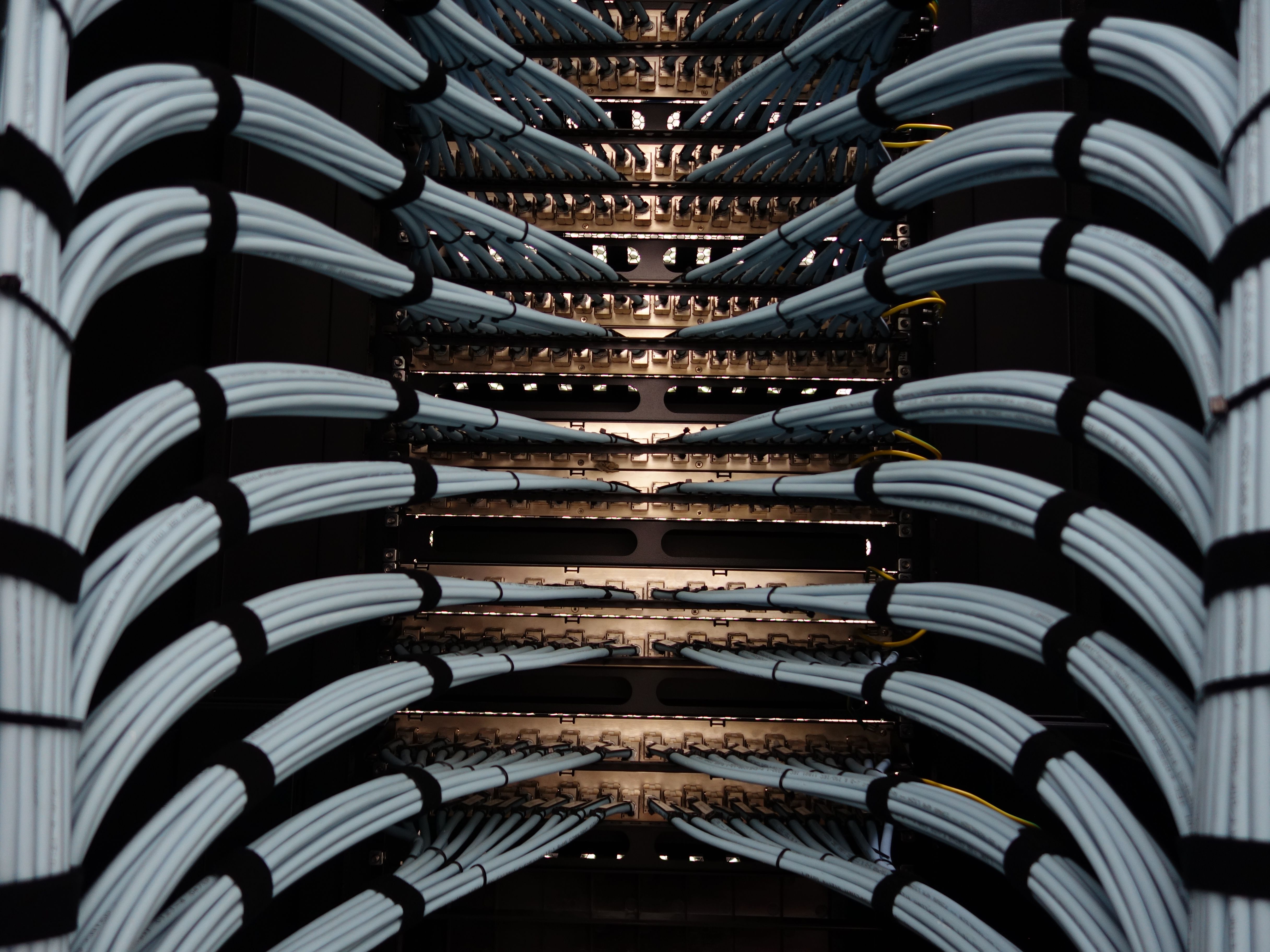
Copper does not go into the solar panel itself in the same way silver does, but it goes into almost everything around the panel. Wiring, inverters, transformers and the grid upgrades needed to carry new solar power all rely on copper. Add electric vehicles and battery storage to the mix, and it is easy to see why copper is being swept up in the same shift.
The copper price has responded. Copper trades on global industrial demand more than on investor sentiment, so when solar, electric vehicles and grid upgrades all lean on the same metal, the copper price tends to move with them. It moves more slowly and steadily than silver, but the direction is the same.
Building the grid to carry all that new solar power takes copper, and the amount needed keeps climbing as countries race to expand their networks. Copper remains the preferred conductor for underground and subsea cabling because of its conductivity, even though it costs more than the aluminium used on some overhead lines.
By 2040, the world could need half as much copper again as it uses today, with grid expansion, electric vehicles and the growth of data centres and artificial intelligence all adding to the tally.
A few forces are pulling on both metals at once:
Solar panel manufacturing, which uses silver paste on every cell
Electric vehicle production and charging infrastructure, which use both metals extensively
Grid upgrades and transmission expansion, which rely heavily on copper
Data centre and artificial intelligence buildouts, a newer but fast growing source of demand for both metals
Each of these forces moves slowly on its own, but together they help explain why both metals have stayed in the spotlight through the price swings of the last few years.
How to get exposure through Luno
Luno gives you two ways to track this trend without buying and storing physical metal yourself.
SLVx gives you exposure to physical silver held in trust, tracking the silver price directly. It is a straightforward way to hold silver alongside the rest of your portfolio, available directly on Luno.
COPXx works differently. Rather than tracking the copper price directly, it gives you exposure to a basket of copper mining companies, so its performance reflects both the copper price and how those miners are run. It is a way to invest in copper mining without buying individual mining shares, through the Luno app.
Here's how the two stack up, side by side.
Feature | SLVx | COPXx |
What it tracks | The physical silver price, directly | A basket of copper mining company shares |
Asset type | Physical metal trust | Equity based ETF |
Main price driver | Silver spot price | Copper price and miner performance |
Type of exposure | Direct exposure to the metal | Indirect exposure, through mining companies |
Available through | Luno app | Luno app |
Some investors hold both, for different reasons. Silver gives more direct exposure to the metal itself, including its pull as an investment, while COPXx gives exposure to the companies mining the metal that is wiring up the grid. Together, they offer two different angles on where the energy transition is headed, though holding both does not make either one less volatile.
Read more about how tokenised commodities work on Luno.
Frequently asked questions
Why does solar power use silver?
Solar cells need a conductive material to carry electricity from the panel to the grid, and silver paste does this job better than almost any other material available at scale.
Is copper used in solar panels?
Copper is not typically used inside the solar cell itself, but it is used extensively in the wiring, inverters and grid infrastructure that solar power depends on.
How can I buy silver in South Africa?
You can buy silver exposure like SLVx directly through the Luno app, without needing to store physical silver yourself.
How can I invest in silver in South Africa?
To invest in silver in South Africa, you can hold SLVx through Luno, which tracks the silver price and is available directly on the app.
Does COPXx track the copper price directly?
No. COPXx tracks a basket of copper mining companies, so it reflects both the copper price and the performance of those miners, rather than the copper price alone.
Is silver a good investment during a supply deficit?
A supply deficit can support the silver price over time, but silver remains volatile and past patterns do not guarantee future performance.
Investing in Crypto assets may result in the loss of capital. Luno (Pty) Ltd is an authorised financial services provider (FSP No. 53314), and registered credit provider (NCRCP22123)
Investing in cryptocurrency may result in the loss of capital as the value can fluctuate.